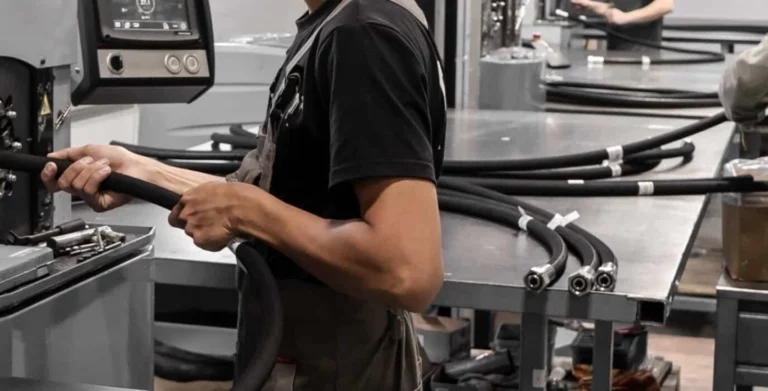
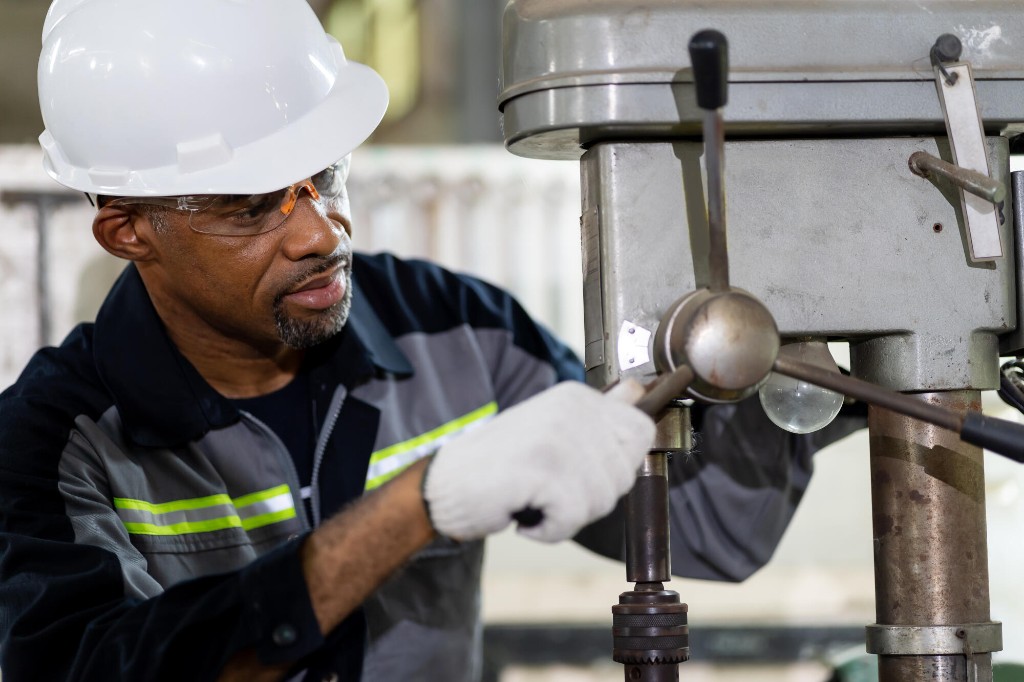
Preventive maintenance services equipment at predetermined intervals, while predictive maintenance uses condition data to identify when service is actually needed. Comparing preventive vs predictive maintenance comes down to timing, data, cost, and equipment needs. Preventive programs offer predictable servicing, while predictive methods can detect developing problems before they cause unexpected failures.
How costly can an unexpected equipment shutdown become? A 2024 industry survey found that unplanned downtime costs organizations about $25,000 per hour on average, with costs exceeding $500,000 per hour for some larger operations. This makes proactive equipment care an important consideration when developing a maintenance strategy.
What Is Preventive Maintenance?
Preventive maintenance involves servicing equipment at planned intervals before problems cause a breakdown. A strong program focuses on several routine practices and operational goals:
- Regular inspections
- Planned servicing
- Consistent maintenance records
- Reduced equipment failures
- Longer equipment life
Regular Inspections
Inspections can reveal wear before it becomes a larger problem. Technicians may spot loose parts or unusual equipment behavior during routine checks. Early attention can prevent minor issues from damaging other components.
Planned Servicing
A preventive maintenance schedule sets service dates based on time or equipment use. Technicians can perform tasks like lubrication or replace parts with known service lives. Planned timing also makes it easier to coordinate maintenance with production needs.
Consistent Maintenance Records
Service records show what work has been completed on each asset. Over time, these records can reveal recurring problems and changing maintenance needs.
Reduced Equipment Failures
One of the main preventive maintenance benefits is reducing failures caused by neglected routine care. Regular service can address normal wear before equipment performance suffers.
Longer Equipment Life
Proper care can reduce unnecessary strain on industrial machinery. However, scheduled work may sometimes occur before a component truly needs service.
What Is Predictive Maintenance?
Predictive maintenance uses equipment data to identify problems before they lead to breakdowns. Teams monitor machinery for changes that may signal wear or damage. Several features shape this approach:
- Condition monitoring
- Early fault detection
- Targeted maintenance
- Better resource planning
- Technology requirements
Condition Monitoring
Sensors can track factors like vibration or temperature during normal equipment operation. Changes in those readings may indicate that a component is starting to wear.
Early Fault Detection
Early warnings give technicians time to investigate developing problems. This reduces the chance that a minor issue will become an unexpected failure.
Targeted Maintenance
One of the main predictive maintenance advantages is servicing equipment based on its actual condition. Teams can avoid replacing healthy components simply because a set service date has arrived.
Better Resource Planning
Condition data can show when repairs may soon become necessary. Maintenance teams can prepare labor and replacement parts before taking equipment out of service.
Technology Requirements
Predictive programs often require sensors and monitoring tools to collect useful information. Staff must also understand what changes in the data mean.
The predictive maintenance cost can therefore include technology and employee training. Reliable data remains essential for making sound maintenance decisions.
Preventive vs Predictive Maintenance: Key Differences
Preventive work follows planned intervals based on time or equipment use. Predictive work begins when condition data indicates that attention may soon be needed.
Data Needs
Scheduled maintenance can rely heavily on service records and manufacturer guidance. Predictive programs need current equipment data to detect changes in performance.
Technology Requirements
Preventive programs can operate with basic scheduling and recordkeeping tools. Predictive maintenance may require sensors and software that track equipment condition over time.
Overall Costs
The predictive maintenance cost extends beyond purchasing monitoring equipment. Training and ongoing data analysis can add expenses. Preventive programs may cost less to establish but can lead to unnecessary service on healthy parts.
Equipment Suitability
Choosing between preventive vs predictive maintenance often depends on the importance of each asset. Predictive monitoring may make sense for costly machines that could disrupt production after a failure. Simpler equipment may not justify the added monitoring expense.
A practical maintenance strategy should also consider equipment age and operating conditions. Failure risk matters too. These factors determine whether scheduled service or condition monitoring delivers greater value.
How Preventive Maintenance Supports Industrial Operations
Scheduled work gives teams time to prepare before equipment goes offline. Maintenance can often be coordinated with planned production stops. That reduces disruption and makes labor easier to organize.
Earlier Wear Detection
Routine service creates regular chances to inspect machinery for developing wear. Technicians can address small problems before damaged parts affect nearby components. This approach can also reduce avoidable strain on equipment.
Better Maintenance Records
Consistent records show how each machine has been serviced over time. They can reveal repeated repairs or parts that wear faster than expected. Teams can use that history to make better service decisions.
Smarter Service Intervals
A preventive maintenance schedule shouldn’t remain unchanged forever. Heavy equipment use may require shorter service intervals.
Lighter use could justify longer periods between certain tasks. Reviewing service history keeps planned maintenance aligned with actual operating conditions.
How Predictive Maintenance Can Improve Equipment Decisions
Condition data can reveal equipment problems that routine visual checks might miss. Teams can then make repair decisions using current information instead of relying only on service dates. Several predictive maintenance advantages can improve those decisions:
- Earlier problem detection
- Better work priorities
- Planned repairs
- More useful data
Earlier Problem Detection
A change in vibration can signal wear inside a machine before failure occurs. Temperature or pressure changes may also point to developing problems. Technicians can investigate these warning signs before damage spreads.
Better Work Priorities
Condition monitoring shows which machines need attention first. Teams can focus their time on equipment showing meaningful changes. Healthy machines can remain in operation until service becomes necessary.
Planned Repairs
Early warnings create more time to prepare for upcoming repairs. Teams can order parts before taking equipment offline. They can also arrange skilled labor ahead of the planned shutdown.
More Useful Data
Monitoring becomes more valuable as teams collect reliable information over time. Past readings establish a normal range for each machine.
Future changes are then easier to recognize and investigate. Data alone isn’t enough, however. Technicians must understand what those readings mean and know when action is necessary.
Building a Combined Maintenance Strategy
Industrial facilities don’t always need one maintenance approach for every machine. A blended maintenance strategy can match each asset with the most practical method. Several factors can guide those choices:
- Equipment importance
- Failure risk
- Maintenance history
- Monitoring value
Equipment Importance
Critical machinery often deserves closer attention because its failure can interrupt production. Condition monitoring may identify developing problems on these important assets. Less critical equipment may remain well suited to scheduled service.
Failure Risk
Teams should consider what happens when a specific machine fails. High repair costs or long replacement times can justify closer monitoring. Safety concerns may also affect how often equipment receives attention.
Maintenance History
Past service records reveal how equipment performs over time. Frequent repairs may show that an existing plan needs adjustment. Manufacturer recommendations can add useful guidance when setting service intervals.
Monitoring Value
Not every machine produces data that justifies predictive monitoring. Teams should compare the value of added information with the cost of collecting it.
A combined approach can also cover different needs within the same facility. Industrial machinery and hydraulic systems may require different maintenance methods. Air compressors and control systems can have different service demands as well.
Better Equipment Longevity
Choosing between preventive vs predictive maintenance depends on equipment needs, failure risks, available data, and operating demands.
At Ferguson Industrial Co., we keep industrial operations across Memphis and the Mid-South running with practical, specialized services. Our team handles CNC machining, plant maintenance, hydraulics, automation, engineering, fabrication, and air compressor maintenance. With locations serving five states, we focus on reducing downtime, improving equipment performance, and delivering solutions tailored to each operation.
Get in touch today to find out how we can help with your equipment needs.