Industrial Insights
Field notes, maintenance guidance, and shop-floor detail from the technicians who keep Mid-South plants running. Written by the people doing the work.
SEP 25, 2026 ⏺ 7 MIN READ
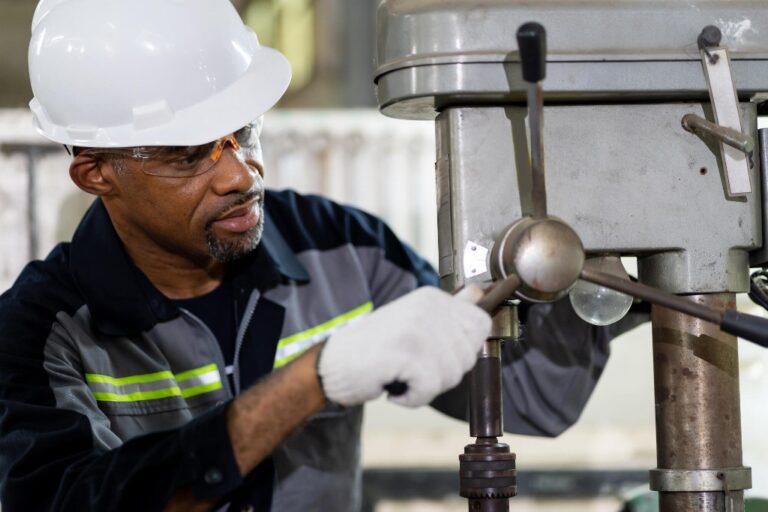
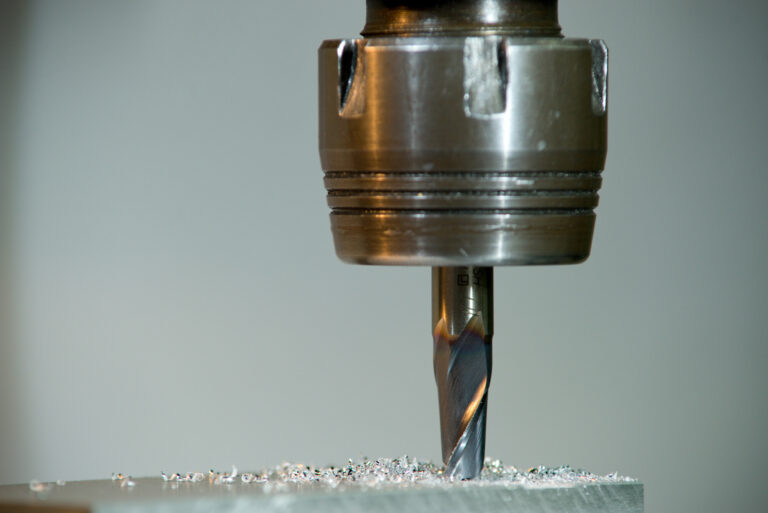
What is precision machining? It is a manufacturing process that uses specialized machinery to shape materials into highly accurate parts with tight tolerances and consistent dimensions. Unlike basic machining, precision machining focuses on producing components that must meet exact specifications for demanding industrial applications. High-end mechanical parts can require accuracy within a few micrometers, according to the National Institute of Standards and Technology. That level of accuracy shows why precise
SEP 4, 2026 ⏺ 4 MIN READ
A worn gearbox rarely presents a single obvious answer. Rebuild cost, replacement lead time, spare availability, and remaining service life all pull in different directions. Making the call on a worn gearbox means weighing those factors against what production can actually afford to lose. This framework is the companion to preventive vs. predictive maintenance: scheduled service tells you when to look, condition data tells you something is changing, and this
SEP 4, 2026 ⏺ 7 MIN READ
Preventive maintenance services equipment at predetermined intervals, while predictive maintenance uses condition data to identify when service is actually needed. Comparing preventive vs predictive maintenance comes down to timing, data, cost, and equipment needs. Preventive programs offer predictable servicing, while predictive methods can detect developing problems before they cause unexpected failures. How costly can an unexpected equipment shutdown become? A 2024 industry survey found that unplanned downtime costs organizations about
JUL 15, 2026 ⏺ 7 MIN READ
What is a millwright, and how does their work differ from that of a general contractor? A millwright is a skilled worker who puts in, fixes, and cares for big machines in factories and plants, while a general contractor runs whole building jobs and watches over many workers and tasks. Knowing the difference helps companies pick the best person for the job and avoid big problems with their equipment. According