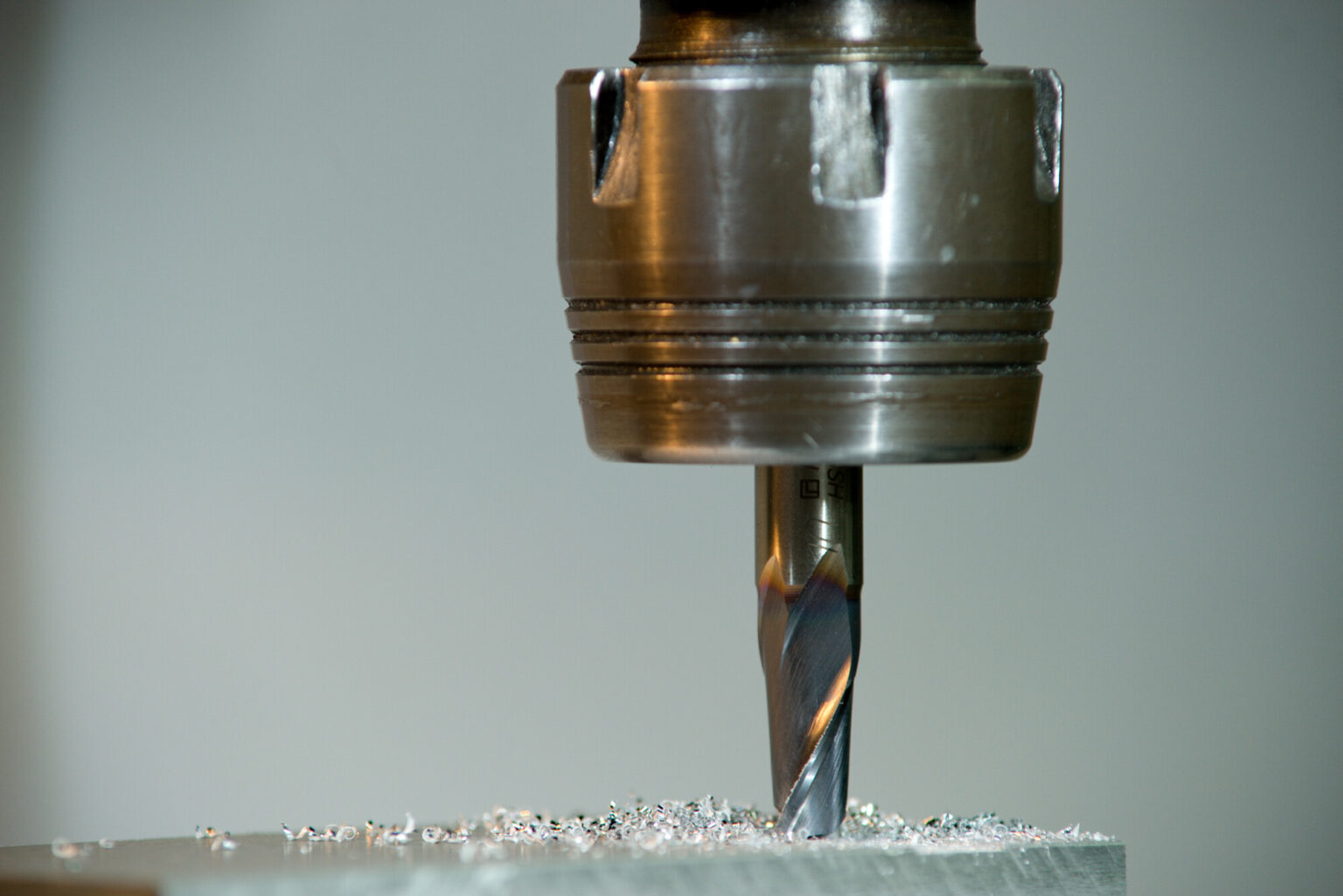
What is precision machining? It is a manufacturing process that uses specialized machinery to shape materials into highly accurate parts with tight tolerances and consistent dimensions. Unlike basic machining, precision machining focuses on producing components that must meet exact specifications for demanding industrial applications.
High-end mechanical parts can require accuracy within a few micrometers, according to the National Institute of Standards and Technology. That level of accuracy shows why precise measurement plays a major role in manufacturing. Small differences in size can affect how parts fit, move, and perform inside larger systems.
Modern manufacturers also face pressure to improve quality while reducing waste and production delays. Better measurement tools help manufacturers maintain consistent dimensions and catch problems before they affect a larger production run. As manufacturing becomes more advanced, accurate measurement remains a key part of producing dependable components.
What Is the Difference Between CNC And Precision Machining?
CNC machining uses computer controls to guide cutting tools and create parts from a digital design. Precision machining focuses on how accurately and consistently those parts are produced.
A CNC machine can perform standard or highly precise work, depending on the equipment, programming, tolerances, and inspection methods involved. Precision machining describes the required level of accuracy, while CNC describes how the machine is controlled.
What Materials Can Precision Machining Handle?
Precision machining can work with many metals and plastics, depending on the machine, tooling, and design requirements. Common materials include steel, stainless steel, aluminum, brass, copper, and engineering plastics.
Material selection depends on factors such as strength, durability, weight, corrosion resistance, and how the finished part will be used. The right material also affects cutting speeds, tooling choices, surface finish, and overall production requirements.
Diving Deeper: What Is Precision Machining?
Precision machining is a manufacturing process that removes material from a workpiece to create a part with highly accurate dimensions. Manufacturers use specialized equipment and controlled cutting tools to shape materials according to exact design specifications. The process can produce tight tolerances, smooth surfaces, and consistent results across multiple parts.
Several precision machining techniques can be used depending on the part’s design, material, and required finish:
- Milling complex shapes
- Turning round parts
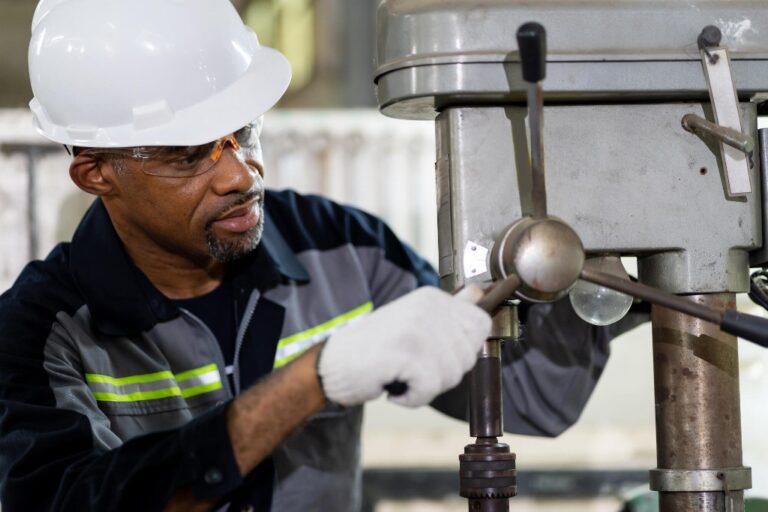
- Drilling precise holes
- Grinding smooth surfaces
The CNC machining process uses computer-programmed instructions to control cutting tools and machine movements. CNC equipment can repeat the same operations with a high level of consistency, making it useful for complex parts and larger production runs.
Skilled machinists still have an important role. They select suitable tooling, configure machines, monitor production, and inspect finished components. Material properties also influence cutting speeds, tooling choices, and machining methods.
Precision machining combines accurate equipment, skilled workmanship, and careful inspection to produce dependable components. Common materials include:
- Steel
- Stainless steel
- Aluminum
- Brass
- Engineering plastics
Each material can require different settings and tools to achieve the required dimensions and surface quality.
Precision Machining Techniques Used in Manufacturing
Manufacturers use different machining methods to create parts with specific shapes, dimensions, and surface finishes. Each operation serves a different purpose, so the right technique depends on the component and its required specifications.
Common precision machining techniques include:
- CNC milling
- CNC turning
- Surface grinding
- Precision drilling
- Horizontal boring
Milling uses rotating cutting tools to remove material from a stationary workpiece. Turning works differently by rotating the workpiece while a cutting tool shapes its outer surface. Grinding can then improve surface finish and achieve extremely accurate dimensions.
Choosing the right machining method can improve:
- Accuracy
- Consistency
- The overall quality of a finished component
Modern CNC equipment can handle complex geometries and repeat production tasks with consistent results. Skilled machinists also inspect components throughout production to confirm that dimensions remain within the required tolerances.
Different projects may require several operations. A single component could need milling for its main shape, drilling for mounting holes, and grinding for a smooth contact surface. Combining suitable techniques allows manufacturers to produce parts that meet demanding specifications without unnecessary machining steps.
How The CNC Machining Process Improves Accuracy
The CNC machining process uses computer-controlled equipment to shape materials according to precise digital instructions. Unlike manual machining, CNC systems can repeat programmed movements with consistent positioning, speed, and depth.
Several factors help CNC machining maintain accuracy:
- Computer-guided movements
- Consistent cutting speeds
- Precise tool positioning
- Repeatable production cycles
CNC technology allows manufacturers to produce complex components with consistent dimensions across production runs.
CNC machines can handle detailed designs that would be difficult to reproduce manually. Operators can program specific cutting paths, tool changes, drilling patterns, and other operations before production begins.
Accuracy also depends on proper machine setup. Tool condition, material properties, machine calibration, and cutting parameters can all affect the finished component. Skilled operators monitor these factors throughout production and make adjustments when needed.
CNC equipment also supports efficient production when manufacturers need multiple identical components. Consistent programming reduces variation between parts and can help maintain quality throughout a production run.
Modern Manufacturing Methods and Precision
Modern manufacturing methods have made precision machining faster, more consistent, and more adaptable. CNC equipment, digital design software, automated systems, and advanced inspection tools allow manufacturers to produce complex components while maintaining strict specifications.
Technology also helps manufacturers identify problems earlier in the production process. Digital measurements can reveal small dimensional changes before they create larger quality issues. Automated equipment can then repeat approved machining operations with consistent results.
Modern manufacturing methods combine advanced technology with skilled oversight to improve accuracy and production consistency. Manufacturers still rely on experienced machinists to select:
- Suitable tooling
- Adjust machine settings
- Verify finished components
Computer-aided design can also improve the planning stage. Engineers can create detailed digital models before machining begins, helping identify potential problems with dimensions or part geometry. CNC programming can then translate those designs into precise machine movements.
Better inspection equipment provides another layer of control. Measurements taken during and after production can confirm whether parts meet the required tolerances. Consistent inspection helps manufacturers maintain quality when producing large quantities of the same component.
Precision Engineering Tools and Quality Control
Precision engineering tools help manufacturers measure, shape, and inspect components with a high level of accuracy. Equipment can verify whether finished parts meet their required specifications, such as:
- Coordinate measuring machines
- Precision gauges
- Micrometers
- Digital calipers
Quality control takes place throughout the machining process rather than only after production ends. Operators can measure critical dimensions during machining and make adjustments when results begin to move outside the required tolerance.
Accurate inspection helps catch dimensional problems early and supports consistent quality across an entire production run. Manufacturers can also use inspection records to identify recurring issues and improve machining procedures over time.
Tool condition matters as well. Worn cutting tools can affect dimensions, surface finish, and overall part quality. Regular checks allow machinists to replace or adjust tooling before defects become widespread.
Combining reliable precision engineering tools with skilled inspection gives manufacturers greater control over the finished component. The approach can be especially useful when parts must fit into complex machinery or operate under demanding conditions.
Understand the “What Is Precision Machining” Question
Understanding “What is precision machining?” helps you see why accuracy matters in modern manufacturing. The process combines specialized equipment, skilled operators, careful programming, and detailed inspection to produce components that meet exact specifications.
When precision components need to perform reliably, Ferguson Industrial Co. brings machining, engineering, fabrication, and industrial maintenance together under one roof. With 24/7 service and locations serving Memphis and the surrounding Mid-South, our team provides practical solutions designed to keep your equipment and production moving.
Contact us today to discuss your precision machining or industrial service needs with Ferguson Industrial Co.